Those with Type 2 (Lifestyle) Diabetes beware. 1 in 6 Malaysians above 30 years of age, suffering from diabetes will permanently lose your sight.
If you seldom exercise and above 30, it's time to do a blood test to know your cholesterol and blood sugar numbers.
If your bad LDL, triglycerides, homocystein levels or blood sugar is high or your good HDL is below 1.5, it's time to start drinking Bioslife.
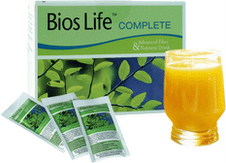
Bioslife is a safe, natural, patented and clinically proven drink to manage healthy cholesterol, blood pressure and blood sugar levels. Visit www.bioslife.com for more information or do contact me should you wish to order your Bioslife at a special preferred customer price.
Within 8 weeks, your bad LDL will drop 31%, your good HDL will increase 29% and your blood pressure and blood sugar levels will be at healthy levels.
Take the 60 day challenge and prove it yourself, RISK-FREE!.
Do you know your cholesterol and blood sugar numbers yet?.
Sunday, March 1, 2009
1 in 6 diabetics above 30 will become blind

 Stumble it!
Sunday, May 11, 2008
Statin Drugs versus BiosLife
The drugs used by doctors to treat high cholesterol are called statin medications and come with a long list of well-documented side effects. In fact, it is estimated that over 25% of the population cannot take statin medications, because of their potential side effects.
Today billions of dollars are being spent by pharmaceutical drug companies to market statin medications, illustrating the size of this market. Because of the magnitude of the heart disease epidemic, the statin medications market is expected to exceed $30 billion in sales in 2008.
How many people do you believe, would prefer a natural alternative to chemical medications? What if you had exclusive marketing rights to the only safe, natural, clinically proven alternative to statin medications?
Without question Bios Life is the most effective, all-natural alternative to statin medications, for helping people reach and maintain healthy cholesterol levels. Not only is it equally effective as statins at lowering LDL (bad) cholesterol, it is also three times more effective at raising HDL (good) cholesterol.
Numerous clinical studies on Bios Life, has gained the attention of the American Heart Association who wrote a press release on Bios Life educating their members on the benefits of Bios Life. Their members—the cardiologists of the world—are facing more and more demands from their patients who do not want the potentially dangerous side effects of chemical, pharmaceutical drugs.
BiosLife is made and patented in USA, and is available today in 17 countries globally. If you would like to invest this healthy alternative to manage your cholesterol, blood pressure or blood sugar levels or to build the Bioslife franchise , I will be pleased to direct you to the local office in your country.
Saturday, February 9, 2008
Roughing it - what good is it to you
Heart disease is a critical health issue for Americans. In fact, heart disease is the leading cause of death and a major cause of disability in the US, according to the Centers for Disease Control.
Although commonly mistaken as a disease affecting mostly men and the elderly, heart disease is also a serious health risk for women of all ages. In fact, one in every three women will die from heart disease, compared to one in 30 who will die from breast cancer.
The good news is that heart disease is largely preventable through positive lifestyle changes. Research shows that a diet rich in fiber reduces the incidence of risk factors for heart disease.
What is Dietary Fiber?
Dietary fiber describes the part of plant foods that your body can’t digest. Fiber is present in all plants that are eaten for food, including fruits, vegetables, grains, and legumes. Fiber can be divided into two types: soluble and insoluble. These types of fiber have different effects on glucose metabolism—which is the rate at which your body processes sugar.
Soluble Fiber
Soluble fiber dissolves in water, forming a gel in the intestines. The beneficial effects of soluble fibers are reduced glucose and insulin responses because it slows the effect of carbohydrate absorption and digestion.
Insoluble Fiber
Insoluble fiber doesn’t dissolve in water and increases the movement of material through your digestive tract allowing less time for carbohydrates to be absorbed in the gastrointestinal tract, thus relieving insulin demand.
How Much Fiber?
The average American’s daily intake of fiber is about 5 to 14 grams per day. However, recommendations from the National Academy of Sciences, Institute of Medicine are that adults consume 21 – 30 grams or dietary fiber per day, depending on age and gender.
Men age 19-50 - 38 grams/day and age 51 above - 30 grams/day
Ladies age 19-50 - 25 grams/day and age 51 above - 21 grams/day
Fiber and Heart Disease
High intake of dietary fiber has been linked to a lower risk of heart disease in a number of large studies that followed people for many years [1, 2]. These early nutrition research findings have been borne out by countless subsequent studies. One recent study found that every additional 10 grams of fiber consumed on a daily basis cuts the risk of coronary heart disease death by 27 percent [1].
In a Harvard study of over 40,000 male health professionals, researchers found that a high total dietary fiber intake was linked to a 40 percent lower risk of coronary heart disease, compared to a low fiber intake [3]. A related Harvard study of female nurses produced quite similar findings [4].
Another study of over 31,000 California Seventh-day Adventists found a 44 percent reduced risk of nonfatal coronary heart disease and an 11 percent reduced risk of fatal coronary heart disease for those who consumed more fiber in their diets. One minor change in their diets provided a protective effect that could save their lives.
Another strong predictor of heart disease is abnormal blood cholesterol levels. Soluble fiber reduces the absorption of cholesterol in your intestines by binding with bile (which contains cholesterol) and dietary cholesterol so that the body excretes it.
While atherosclerotic heart disease (the process of progressive thickening and hardening of the walls of arteries from fats and cholesterol deposits on their inner lining) is the most prevalent cause of death, it is perhaps the most modifiable one [5].
Fiber and Type 2 Diabetes
Type 2 diabetes is the most common form of diabetes. Diabetes leads to heart disease and stroke. It’s characterized by sustained high blood sugar levels. It tends to develop when the body can no longer produce enough of the hormone insulin to lower blood sugar to normal levels or cannot properly use the insulin that it does produce.
Research has shown that consuming fiber can help prevent this form of diabetes. Dietary fiber slows the absorption of food so that blood sugar does not rise as rapidly, while also reducing insulin secretion [6]. This was demonstrated in a study published in 2004 in which a high fiber intake led to improved glycemic control, along with reduction of blood pressure and serum cholesterol and triglyceride levels [7].
A German clinical trial reported that eating a fiber-rich diet for only three days improved insulin sensitivity in overweight and obese women by 8 percent. If a diet intervention this small can have that great of an impact, you can imagine what years of following a high-fiber diet would do.
The good news for those with diabetes is that increasing your fiber now can also prevent long-term complications from diabetes. Soluble fiber has been found to produce significant reductions in blood sugar. In clinical intervention trials ranging from two to 17 weeks, consumption of fiber was shown to decrease insulin requirements in people with type 2 diabetes. If you've ever had to inject yourself with insulin, you can appreciate how much easier and less painful it would be to increase your fiber intake to avoid the need for insulin injections.
Fiber for Weight Control
One of the most alarming health concerns of the last decade is explosive growth in the number of people—especially younger people—who are overweight or obese.
A 1997 study investigated the effects of one week of supplementation with guar gum (a water-soluble fiber found in the Biosphere Fiber of Bios Life) on hunger and satiety, as well as calorie intake, in obese test subjects. Adding fiber to the diet decreased food intake, and subjects on a reduced-calorie diet reported diminished hunger after supplementing with fiber. Thus, fiber may assist in weight-management programs by promoting a feeling of fullness, decreasing hunger, and promoting adherence to a reduced-calorie diet [8].
Another study confirmed these effects. When overweight individuals added 14 grams of fiber daily to their otherwise unrestricted diet, they consumed 10 percent fewer calories. This led to an average of 4.2 pounds of weight loss in just under four months [9].
These factors are especially important in treating obesity in children, according to the Department of Pediatrics at Harvard Medical School, which notes that modern nutritional research indicates an important role for fiber in regulating body weight [10].
1. Pereira MA, O'Reilly E, Augustsson K, et al. Dietary fiber and risk of coronary heart disease: a pooled analysis of cohort studies. Arch Intern Med 2004; 164:370-6.
2. Van Horn L. Fiber, lipids, and coronary heart disease. A statement for healthcare professionals from the Nutrition Committee, American Heart Association. Circulation 1997; 95:2701-4.
3. Rimm EB, Ascherio A, Giovannucci E, Spiegelman D, Stampfer MJ, Willett WC. Vegetable, fruit, and cereal fiber intake and risk of coronary heart disease among men. JAMA 1996; 275:447-51.
4. Brown L, Rosner B, Willett WW, Sacks FM. Cholesterol-lowering effects of dietary fiber: a meta-analysis. Am J Clin Nutr 1999; 69:30-42.
5. Kenneth 0, Kochanek MA, Smith BL, eds. Deaths: Preliminary Data for 2002.National Vital Statistics Reports. 2004; vol 52, No 13.
6. Anderson JW, Akanji AO. Treatment of diabetes with high fiber diets. In: Spiller GA, ed. Dietary Fiber in Human Nutrition. 2nd ed. Boca Raton, FL: CRC Press; 1993:443-70.
7. Nizami F, Farooqui MS, Munir SM, Rizvi TJ. Effect of fiber bread on the management of diabetes mellitus. J Coll Physicians Surg Pak. 2004 Nov;14(11):673-6.
8. Pasman WJ, Saris WH, Wauters MA, et al. Effect of one week of fibre supplementation on hunger and satiety ratings and energy intake. Appetite. 1997 Aug;29(1):77-87.
9. Howarth NC, Saltzman E, Roberts SB. Dietary fiber and weight regulation. Nutr Rev. 2001 May;59(5):129-39.
10. Pereira MA and Ludwig DS. Diet
Monday, November 19, 2007
Heart warning added to diabetes drug Avandia
Nov14, 2007 CNN carried this story...read the full story by clicking the title link.
WASHINGTON (AP) -- The US FDA warned that a popular diabetes drug Avandia may, or may not, increase the risk of heart attacks.
Glaxo - the drug manufacturer agreed to FDA's demand for a major study directly comparing Avandia and its competitors' heart effects. The study will begin by next November and won't end until 2014, but the FDA will order interim checks to see how patients are faring and if it's possible to settle the issue any sooner. Can you take the risk and wait for the results?
In contrast, Health Canada announced that Avandia should be used only in combination with certain other drugs for hard-to-control blood sugar.
Dr. Steven Nissen of the Cleveland Clinic, who first brought the heart attack issue to public attention, said that he preferred Canada's approach -- but that Wednesday's warning is important and timely.
Last May, a 6 month study of 10,000 patients was published showing Avandia users had a 43% greater chance of getting a heart attack, than those not using this drug. Does this scare you?
About 1 million Americans with Type 2 diabetes use Avandia. It helps control blood sugar by increasing the body's sensitivity to insulin.
Bioslife can help those with high blood sugar, from starting on these life threatening drugs and also help current diabetics reduce their dependance on diabetes drugs within 3-12 months.