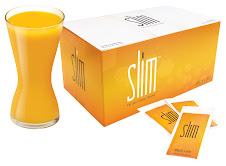
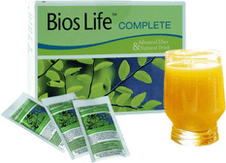
I met Alice last week and she gave me a flyer about a soy protein mixed with Spirulina. What was interesting was that this product was sold to regulate cholesterol disorders.
The flyer gave some small un-named clinical trials and called them clinical studies. Please don't be misled by such mis-information.
A clinical study is usually conducted in an established renowned hospital ( like Cleaveland Clinic - the No 1 Heart Hospital in USA 13 years in a row ) to ensure integrity, and the results are usually published in some medical journal, presented at a medical conference and if it shows promise, is listed in the Physicians Desk Reference in USA or in medical journals like MIMS in Asia, Australia and New Zealand.
If the product is not listed in anyone of these 2 medical referrences, then the results cannot be accurately substantiated, and medical professionals cannot rely on such information.
For example. in the Bioslife Clinical Study at the Cleaveland Clinic, after 8 weeks, your LDL will lower 31% and your HDL will raise 29%. Click here for some Bioslife Clinical Studies
So as a consumer, please be very aware of marketing gimmicks and factual information.
Bioslife is the ONLY safe, patented and clinically proven health drink, to manage healthy cholesterol, blood pressure and blood sugar levels. And you can prove that with your blood test.
If you don't know your cholesterol numbers, take your blood test, then do the 90 day challenge and prove it yourself.
Wednesday, March 19, 2008
Proven Clinical Studies or marketing gimmicks

 Stumble it!
Friday, March 7, 2008
17 common questions on Bioslife answered
Dr. Peter J.E. Verdegem, Unicity’s Chief Science Officer, obtained a MSc in Organic Chemistry from the University of Leiden in the Netherlands. In his specialization he studied the chemistry of the photosynthetic reaction center of plants. After his MSc degree, he started a Ph.D. research project studying the human eye. For this various vitamin A analogues were synthesized and incorporated into rhodopsin, the visual receptor in the retina. NMR allowed to measure internuclear distances in the receptor vitamin A ligand, and thereby a three-dimensional model for the ligand could be constructed. This has resulted in a greater understanding of the fascinating physics that happens in the visual process. In 1998 he was awarded a Ph.D. in Bio-Organic Photochemistry.
1. How serious can be a chromium reaction on diabetes?
Chromium is very beneficial for diabetes. It is an essential mineral that serves as a sensitizers of insulin. It is the job of insulin to produce sugar levels. But if it does so in the presence of chromium, it is going to do it more effectively. So, the question suggests, that people think chromium is bad in the case of diabetes, because they ask about a chromium reaction. However, it will not create a reaction, it is just very good for people with diabetes because it is going to bring your sugar levels down even further, on top of the effect that Bios Life itself will generate.
The question probably relates to the statement on the box of Bios Life, we warn that if you are diabetic please consult with your doctor because this product contains chromium. The statement on the box is there to make sure that your treating doctor knows about the fact that you are going to take chromium, because if you use insulin and you are carefully set up to use the exact amount of insulin needed and you then add chromium to your diet from Bios Life, you will increase the sugar lowering effect so you will need less medication, less insulin. This is a very positive thing. We just want to make sure that your doctor knows about it. So chromium is good for diabetics, there will not be a chromium reaction.
2. Does Bios Life have an ORAC value? (ORAC is big with the juicers)
Bios Life does not have an ORAC value, of course it does have one, but we have never measured it. ORAC is an experimental procedure that tells us how strong a product is in providing antioxidant protection. The higher the ORAC value, the bigger the antioxidant protection.
Bios Life will have an ORAC value because there are some antioxidants in the product, think of the minerals, think of some vitamins, but the product, of course, is not an antioxidant product, so we have not seen the need to currently measure the ORAC value of the product.
3. My HDL is so high that my total cholesterol number is 200. Can the HDL ever be too high? (I’ve been on Bios Life for years.)
HDL can never be too high. What HDL is doing in your body is cleaning out the arteries of existing plaque, functioning as a kind of vacuum cleaner, picking up the excess fat in your blood. Some people, Dr Jerry Bresnahan for example, calls it a crowbar by making sure that existing plaque in the body is actually being loosened up in the arterial walls so that it can be removed more effectively.
So there is no maximum value for HDL, the higher, the better. And, in fact, due to your high HDL, the total cholesterol numbers being so high are not so much of a concern. It is much more beneficial to have a high HDL than it is dangerous to have high total cholesterol. So, high HDL values are perfect.
4. Is Bios Life recommended if the customer is a teen/child diabetic?
Bios Life can be safely taken by a teen if they have diabetes. We want to make sure that they do not start with the maximum dose. So start slowly with one packet a day and keep careful control, carefully monitoring of the glucose values, because of the effects that Bios Life will reduce your overall glucose values at the time.
5. If someone is already on a pump for diabetes, can they safely use Bios Life?
Yes they can, the same thing applies that the pump is carefully set to give the amount of insulin needed for the patient. With Bios Life the fiber and the chromium in the product are going to reduce the overall glucose values, so the pump will probably need to be adjusted and we would like you to discuss that with your doctor before you do so.
6. A 10-year-old with juvenile diabetes; mother concerned with sugar content in Bios Life and how much to give.
There is no sugar in Bio Life. Bios Life has absolutely no carbohydrates, so there is no effect on sugar levels by using Bios Life.
7. Does Bios Life lower LDL even if there is no change in diet?
Yes it does. The studies that we have done with Bios Life, and there are currently over eight, have all shown that people taking Bios Life did not do anything about their diet. So they did not need to change their diet in order to see the success of Bios Life on LDL levels.
8. Can you drink Bios Life and Hawaiian Noni together?
Yes, no problem. Bios Life is a food, Hawaiian Noni is a food; you can safely add those two products together.
9. Will Bios Life absorb the good fats we eat?
Bios Life does trap some of the fats from our food that is how it works. So if you are concerned, for example with omega-3 fatty acids from fish oil, which are very important fatty acids, you may want to separate the use of Bios Life and fatty acids over a time. What I would do is take Bios Life a few minutes before a meal and take fatty acids early on an empty stomach or before bedtime.
10. Why don’t we talk about lowering triglycerides and the importance of lowering it?
We do talk about it. Triglycerides are a very important additional risk for cardio vascular disease and metabolic syndrome. This is a big problem for diabetics the triglyceride values are the values that respond the quickest to Bios Life intervention. Our studies show that, on average, 40% of triglycerides are being reduced when you take Bios Life in a period of eight weeks.
11. What makes Bios Life lower triglycerides?
That’s a good question. First of all it lowers triglycerides because Bios Life traps fat in the digestive tract. Fat of course is the direct source of triglycerides, so that is a major effect. Also, Bios Life improves HDL; and HDL is known to pick up extra triglycerides in the blood stream and remove them from the body.
12. When will Bios Life Complete be listed in the PDR?
It currently is listed in the 2007 edition of the PDR (Physicians’ Desk Reference), under Unicity International.
13. How many double blind studies have been completed on Bios Life 2 and Bios Life Complete and how many open panel studies?
We have completed nine studies with Bios Life. Some of them are double blind, placebo controlled studies and some of them are open panel studies.
14. What if you forget to take Bios Life before you eat or do not have it with you. Can it help to have it later or just do not do it that time?
The best time to take Bios Life, in order to reach the maximum optimal effect, is about 10 minutes before your meal, before every meal. However, if you forget to take the product still take it at any other time during the day.
Best time is before a meal, because fiber works best before the meal. The other ingredients being policosanols and phytosterols actually work throughout the whole day, so it doesn’t really matter for those ingredients when you take the product. Therefore, should you forget to take the product before your meal, go ahead and take it at anytime during the day; even after or during the meal, because it is always better than not taking it at all.
15. What is the difference between the double blind studies and the open panel?
A double blind study is a study that is considered to be the state of the art study today, for studying the effects of pharmaceuticals and also dietary supplements.
The importance of the double blind, placebo controlled study is that there are two groups of people that take part in the study. One group gets the real product, the effective product. The other group gets the placebo, which is indistinguishable from the effective product, only it has no effective ingredients in it. The patients that take part in the study and the doctor that administers the products do not know which product has been given to whom. By doing so you can be absolutely sure that any effect observed during the study with the active group is going to be in effect due to the product, because all subjective effects that may also play a role would also be present in the placebo group. So that is the best study design to see a difference.
An open panel study is another type of study in which everybody gets the effective product. We can then observe how strong the product is in a population based study. Sometimes it is better to do an open panel study than a double blind placebo controlled study because the ethical condition that you always have to go through before you do a clinical study does not seem as ethical if you give people with high cholesterol a placebo. Sometimes you are stuck with the fact that you have to do an open panel study. Also pharmaceuticals, like Lipitor, have done open panel studies because of the same reason.
16. How much effect do emotions have on cholesterol and heart disease?
That’s an interesting question. Interestingly the Psycho Social Dex which basically describes emotions is an important risk factor for cardio vascular disease. I believe that the Inner Heart Study ranks it at a position 4. It is true that being depressed or having other type of psychological problems may actually interfere with your cardio vascular health. If you are depressed for a long time you are more likely to develop a myocardial farction.
17. Explain the health benefits to a young, healthy man or woman, with high cholesterol levels (30 to 50 years old).
Bios Life is primarily a cholesterol optimizing product, however it has many more effects.
First of all it improves your digestive health by cleaning out your intestinal tract by promoting the growth of friendly bacteria. It controls your sugar levels, which makes sure that your have better energy and that you don’t have insulin spikes throughout the day. It lowers the glycemic index of your food which is a great benefit if you are, for example, diabetic or if you want to lose weight. It also stimulates your immune system by promoting friendly bacteria; therefore you are going to have better immune health.
So for that kind of person who has perfect cholesterol levels, Bios Life is going to have great health benefits for you.
For more information on Bios Life, please go to http://www.bioslife.com/ or http://www.unicitvscience.com/ or visit my eBay store to invest in your heart health today
Thursday, December 27, 2007
She had a First and Fatal Heart attack at 45
What a Christmas this has been.
Received news that a friend and past client Lai Choo, had a first and fatal heart attack on Christmas morning and left behind her 7 year daughter and husband.
She was truly a dedicated staff and neglected her health at the expense of the almighty $. Would her daughter appreciate all her mom's hard work, now that she is gone forever?. I am sure not.
Even worse being the loss of a loved one on Christmas day, when everyone is celebrating the occasion.
Work if meaningful is important, but not at the expense of your health, your family, your friends and your religion.
So do check your blood pressure, cholesterol and sugar levels every year if you are below 40 and every 6 months if you are above 40 and lead a poor lifestyle.
Blood pressure should be normal, your HDL should be high and your sugar levels should be normal, even in your 40s, 50s and 60s.
Friday, November 30, 2007
Solve a big problem and money will follow you
Tired all the time, some extra kilos in the wrong places, high LDL bad cholesterol, high blood pressure, high blood sugar..... basically the biggest problems in both kids, young adults, middle age and our senior citizens in Malaysia and for that matter, everywhere else.
While not everyone is looking to lose weight, most people are very concerned about high blood pressure and high cholesterol. Either they know of family or friends who on life long drugs with too many side effects, or have had close family or friends suffer a stroke or heart attack, that affected everyone around them.
If you had franchise rights to a safe, clinically proven and patented health drink, that can naturally solve the biggest problems our society faces - either in Malaysia or globally, would that be a big business?
The Bioslife drink, works safely without the side effects associated with using drugs. And with it, the Bioslife Franchise works too!. As most people with vision, see the potential of solving a really big global problem, and with it, the money just flows in.
Within 8 weeks, your LDL bad cholesterol will drop 31%, your good HDL cholesterol will increase 29%, your blood pressure and blood sugar levels will normalise and you will feel the increased energy. Oh yes, most people who drink Bioslife before lunch and dinner, also see a fat loss from a few kilos up till 20 kilos within 6 months.
Do read more at www.bioslife.com and www.bioslifefranchise.com And if you would like the science and research information, then visit www.unicityscience.org
Then if you are ready to take the 90 day challenge Risk Free or learn more about the Bioslife Franchise, just contact me and I will share with you more on how to get started on your path to vibrant physical health and how to setup your franchise, so that the money follows you.
Saturday, November 10, 2007
At risk if you are between 20-44

Sad news again on Oct 31st, 2007.....younger adults between 20 to 44 are the highest users of blood pressure and cholesterol drugs, than those 45 and above!.
All these drugs need to be taken throughout your lifetime, are very dangerous and ALL have adverse side effects.
Here is the American Heart Association site listing the side effects - http://www.americanheart.org/presenter.jhtml?identifier=593
What about Zocor side effects? See it here - http://www.merck.com/product/usa/pi_circulars/z/zocor/zocor_brief.pdf
And click here for the Lipitor side effects - http://www.lipitor.com/starting-lipitor/lipitor-safety-profile.jsp?setShowOn=../starting-
While it's hard to change our diets and lifestyle, it's easy to just drink a delicious BiosLife orange drink, twice daily before meals, to clean your arteries, and manage healthy blood pressure, blood sugar and cholesterol levels.
Bioslife will reduce your LDL by 31% and increase your HDL by 29% within 8 weeks.
Have you checked your blood pressure, blood sugar and cholesterol levels yet?.
Saturday, October 20, 2007
The latest spotlight on HDL and what you need to know
Several developments have emerged in the evolving world of cholesterol research. Here's what you need to know:
Spotlight on HDL & LDL
Produced by our bodies, and absorbed from the food we eat, cholesterol is a waxy, fat-like substance that's vital for our brain function, hormone production, cellular activity -- every aspect of life.
When it comes to heart health, cholesterol is a double-edged sword. Most of us know by now that there are two main cholesterol carriers with very different roles. Low-density lipoproteins (LDL) transport cholesterol to the body's tissues and arteries. At high levels, LDL leads to plaque buildup in the arteries; this can lead to a sudden blockage or narrowing in an artery that may slow or stop blood flow to the heart (hence LDL's reputation as "bad" cholesterol).
High-density lipoproteins (HDL), which carry cholesterol back to the liver to be removed from the body, protect against heart disease (and are thus called "good" cholesterol). "It's kind of the yin and the yang of atherosclerosis," says Superko. "Cholesterol is always being deposited in the artery and always being taken out."
Despite the fact that HDL's importance has been known for two decades, it's still upstaged by "bad" cholesterol. This isn't surprising, says Superko, since drugs to lower LDL are effective, and they bring in upwards of $30 billion to pharmaceutical companies each year -- creating a large incentive for further research and development, not to mention the ad campaigns.
Drugs for raising HDL, on the other hand, have largely proven unsuccessful; clinical trials of one such drug, torcetrapib, were halted last year because it increased the risk of death.
Whereas until now the majority of data has revolved around LDL, that's changing, says Dr. Elsa-Grace Giardina, a cardiologist and director of the Center for Women's Health at Columbia University. "Recently we've seen that there are populations who have low 'good' cholesterol, and if you raise the good cholesterol in that population, you can actually make them live longer." Every 1-mg increase in HDL appears to correlate with a 3 percent drop in risk of heart disease. Conversely, every 1-mg decrease in LDL, drops your heart disease risk by 2 percent.
The Bottom Line
Both LDL and HDL are critically important for heart health. Your LDL-to-HDL ratio should be about 3.5 to 1, ideally, with an HDL level above 60 mg.
And lifestyle is essential to both levels. Although dietary changes can help lower LDL, exercise and maintaining a healthy weight are key for raising HDL. In general, women tend to have higher HDL numbers than men, but postmenopausal women need to stay especially vigilant. "After menopause, good cholesterol decreases," says Giardina. If you smoke, you can raise your HDL significantly just by quitting.
Rather than another prescription, the best pill for boosting HDL may be a vitamin. "Niacin (vitamin B3) is the most effective treatment at raising HDL," says Dr. Stephen Devries, preventive cardiologist at the Center for Integrative Medicine at Northwestern Memorial Hospital. Studies show that taking large doses (1 to 2 grams) of niacin daily can raise HDL by up to 30 percent. Because of potential side effects -- flushing, in which your skin turns red and you feel very warm, and liver problems -- it's essential to work closely with a doctor.
*** end of article October 2007......see footnote...
Bioslife is the only safe, patented and clinically proven health drink to lower your LDL 31% and raise your HDL 29% within 8 weeks. Take the 90 day challenge and try Bioslife Risk Free.
Visit my eBay store to clear our your arteries, and keep heart attacks and strokes far away!
Monday, May 21, 2007
40% of Malaysians have hypertension
Sunday Star May 20, 2007
40% of Malaysians have hypertension and are walking time bombs - waiting for a stroke or heart attack to happen. And when it happens, 30% will die and the rest will never fully recover.
If you are over 30 years of age, why take the chance and put your family at risk.
Do your blood test today, and if you have high LDL cholesterol, low HDL cholesterol, high blood pressure and high sugar levels, there is hope with BiosLife.
Bioslife - the only safe, patented and clinically proven health drink, for complete blood cholesterol, pressure and sugar care.
Take the 90 day challenge - available in 17 countries today, because with your before and after blood test results, you can prove it yourself.
Saturday, May 5, 2007
How Cholesterol Levels Contribute to Stroke Risk
Most people know that high cholesterol levels, contribute to heart disease. But many don't realize that a high cholesterol level also contributes to stroke risk.
What is Cholesterol?
Cholesterol, a waxy substance produced by the liver, is a vital body product. It contributes to the production of hormones and vitamin D and is an integral component of cell membranes.
The liver makes enough cholesterol to fuel the body's needs, and this natural production of cholesterol alone, is not a large contributing factor to atherosclerosis, heart disease, and stroke.
Research has shown that the highest danger from cholesterol, comes from a dietary intake of foods that contain high levels of cholesterol. Foods high in saturated fat and cholesterol can increase the amount of total cholesterol in the body to alarming levels, contributing to the risk of atherosclerosis and thickening of the arteries—which can lead to stroke.
Cholesterol is a Lipid
Cholesterol is classified as a lipid, meaning that it is fat-soluble rather than water-soluble. Other lipids include fatty acids, glycerides, alcohol, waxes, steroids, and fat-soluble vitamins A, D, and E. Lipids and water, like oil and water, do not mix. Blood is a water-based liquid, therefore cholesterol does not mix with blood. In order to travel through the blood without clumping together, cholesterol needs to be covered by a layer of protein. The cholesterol and protein together are called a lipoprotein.
The Good and the Bad Cholesterol: Two Types of Lipoprotein
There are two kinds of cholesterol, commonly called the "good" and the "bad." Good cholesterol is high-density lipoprotein, or HDL; bad cholesterol is low-density lipoprotein, or LDL. Together, these two forms of cholesterol, make up a person's total serum cholesterol level.
Most Cholesterol in the Body is in the Form of LDL
LDLs circulate through the bloodstream, picking up excess cholesterol and depositing cholesterol where it is needed. But when too much cholesterol starts circulating in the blood, the body cannot handle the excessive LDLs, which build up along the inside of the arterial walls.
The buildup of LDL coating on the inside of the artery walls, hardens and turns into arterial plaque, leading to stenosis (narrowing of the artery) and atherosclerosis. This plaque blocks blood vessels and contributes to the formation of blood clots.
The Good Guys
The other form of cholesterol, HDL, is beneficial and contributes to stroke prevention. HDL carries a small percentage of the cholesterol in the blood, but instead of depositing its cholesterol on the inside of artery walls, HDL returns to the liver to unload its cholesterol. The liver then eliminates the excess cholesterol by passing it along to the kidneys.
A Person May Lower the Risk for Atherosclerosis and Stroke by increasing the good HDL and lowering the bad LDL Cholesterol Levels.
Bioslife is the safest, most effective way to naturally improve cholesterol levels
Tuesday, May 1, 2007
Don't get Heart Sick

The heart can be a time bomb waiting to explode if you are not careful.
TIME bombs: they’re pretty harmless until they detonate. Problem is, you never know when they’re going to explode and when they do, it’s deadly.
You may not know it, but you could have a time bomb ticking away inside you even as you’re reading this article. That time bomb is heart disease and it’s no joking matter.
Tick, tick, tick
You’ve probably heard of heart disease, ad nauseam. After all, it’s been the No. 1 killer in Malaysia for the past 26 years. But do you know how it really starts in the body?
According to consultant cardiologist, Datuk Dr Khoo Kah Lin, a major cause of this is atherosclerosis. “Atherosclerosis is a process where cholesterol and other substances build up inside the walls of your blood vessels, and form plaque.
“Sometimes, so much plaque can form in a blood vessel that they narrow the space inside, and restrict blood flow. When this happens in the arteries supplying blood to your heart, you will wind up with chest pain, breathlessness and fatigue.
“As if this isn’t bad enough, plaque is brittle and can easily rupture, forming a blood clot that can totally block all blood flow. If blood flow to your heart is blocked, you will have a heart attack; if it’s to your brain, you will suffer a stroke.”
Like many people, you probably don’t know if your blood vessels are healthy or otherwise. You may seem healthy on the outside, but inside, your blood vessels could be slowly clogging up.
The thing with heart attacks and strokes is, you can never know when they’re going to happen ? or can you?
“One simple way is to know your cholesterol level,” advises Datuk Dr Khoo. “It can reveal your risk of heart disease.”
You have two main types of cholesterol: ‘bad’ cholesterol (LDL) and ‘good’ cholesterol (HDL). Remember atherosclerosis? LDL is the real culprit. Over time, LDL becomes toxic and penetrates the lining of your blood vessels to form plaque. HDL is important as the more you have, it cleans up the LDL and reduces your risk of artherosclerosis.
There are three reasons why people develop high levels of LDL and low levels of HDL.
1. Smoking
Are you a smoker? Not only does smoking damage your arteries, it also increases your cholesterol. All this makes you twice as likely to suffer a heart attack compared to a non-smoker.
2. Messed up by stress
Do you lead a stressful lifestyle? If you do, you should know that stress affects you in many ways. For one thing, it can mess up your diet, leading you to become careless with your food choices and eating habits. Poor eating habits contribute to high cholesterol.
3. Too fat to function healthily
Being overweight or obese wreaks havoc on your metabolic function. You wind up with high blood cholesterol, high blood glucose and high blood pressure, which result in coronary heart disease, diabetes and hypertension respectively.
The most troubling thing is, this is a three-for-one deal: if you have one, you will develop the other two. And the scariest part? Most people with these diseases will die from a heart attack or stroke.
Defusing the time bomb
Naturally, your next question now is, “So can I defuse this time bomb that’s ticking inside me? What can I do?”
1. Practise healthy eating habits
Eat a well-balanced diet, have regular mealtimes every day and avoid over-eating.
2. Cut down on fats of all kinds
However, some fats are healthier than others. Avoid saturated fats and trans fatty acids. If you must take fats, opt for unsaturated fats.
3. Get heart-healthy fibre
A combination of 5 different plant fibres like Guar Gum, Gum arabic, Locust bean gum, pectin, & oat fibre (beta glucan), have shown to be effective in lowering LDL and raising HDL within 60 days.
Everyone is recommended to eat 25-30 grams of dietary fibre daily. This can come from fruits and vegetables, grains and cereals. However, not all fibres are created equal.
So, if you have normal cholesterol levels, eating BiosLife will help ensure that your heart stays healthy. If your cholesterol is on the high side, Bioslife can bring your cholesterol back to healthy levels. And if you do have a cholesterol problem and are on statin drugs, adding Bioslife will bring your levels down even further, so you can gradually reduce your drugs.
Bioslife is a low-fat source of energy, and takes longer to digest, meaning that you stay full for a longer period of time and won’t succumb to over-eating.
Bioslife is for everyone. It's a 100% natural delicious orange flavoured health drink. You'll love the taste
4. Get off that couch and get moving
Moderate exercise for 30 minutes on most days of the week (or, better yet, every day) reduces cholesterol and helps you maintain a healthy body weight. Try aerobic exercises. They’re great for strengthening the heart. After all, your heart is a muscle and it loves to get pumping! For dedicated couch potatoes, start off with brisk walking. It’s safe, easy and will make a world of difference.
5. Make a date with your doctor
Finally, pencil your doctor’s appointment into your calendar. A cholesterol test every 6 months will put you on the right track with a healthy heart.
Values your heart will love:
Total cholesterol: < 5.2 mmol/L
“Bad” cholesterol (LDL): < 3.3 mmol/L
Good cholesterol (HDL): > 1.02 mmol/L for men; > 1.3 mmol/L for women
Body mass index (BMI): between 18.5 and 25
Waist circumference: < 40 inches for men; less than 35 inches for women
Blood glucose: 3.8 - 6.1 mmol/L before meals; < 7.8 mmol/L two hours after meals
Blood pressure: < 130/80 mmHg
Saturday, April 28, 2007
Latest Diabetic study presented at American Heart Association Conference April 2007
Clinical Results of Bios Life Presented at American Heart Association Annual Conference.
Dr. Peter Verdegem, Unicity Chief Science Officer, and Franchise Owners Dr. Isabel Martinez, MD, and Bobbi Horne, both from Blue Mesa Medical Associates in Katy, TX, presented the results from a clinical study conducted to study the effect of Bios Life on type 2 diabetes.
The study was conducted on 34 patients who were diagnosed with type 2 diabetes and hypercholesterolemia. The study participants took Bios Life twice daily 15 to 20 minutes before meals. The study measured lipid and glucose levels at the start of the study, and then after 4 weeks, and again after 8 weeks.
The study, entitled “Lipid and Glucose Optimization Using Phytonutrient Combination Therapy in Diabetics” was presented at the American Heart Association Arteriosclerosis, Thrombosis, and Vascular Biology Annual Conference held April 19-21, 2007 in Chicago. See below for clinical abstract.
The study concluded that after taking Bios Life for 8 weeks:
Parameter.............All Participants......Participants with dangerous levels.
Total Cholesterol..Decreased 14.2%...Decreased 21.5 %
LDL(bad) .............Decreased 18.3%...Decreased 28.9%
HDL (good)...........Increased 3.5%.....Increased 14.4%
Total Glucose........Decreased 21.3%...Decreased 32.5%
Glucose.................Decreased 17.3%...Decreased 28.9%
HbA1c...................Decreased 9.4%...Decreased 15.8%
If you are diabetic, in 8 weeks, Bioslife will reduce your diabetic levels and manage your cholesterol to reduce your risk for stroke and heart disease.
Wednesday, April 25, 2007
Even if you are 30s, there's no escape
Some of my younger friends think stroke and heart attack only happen to the older folks. hehehehe. Go read today's star page 3 - the link is here.
According to today's report, even people as young as 30's can get a stroke - especially if they are too stressed at work, at home and fail to check the early signs of high blood pressure, high LDL cholesterol and low HDL cholesterol.
So go do your blood test today and prevent cutting your life in half. 90% of stroke victims never fully recover and your family suffers looking after an invalid. Read yesterday's blog on strokes.
If you want to prevent strokes and heart attacks, drink your Bioslife and you can add years to your life, and life to your years.
Thursday, April 19, 2007
Are you 1 of the 5?
If you already have a cholesterol problem but cant take statin drugs…
Over 90% of all people prescribed statin drugs do not complete even 1 year of medication, due to the severe side effects. Bioslife is safe and natural and can effectively lower your bad cholesterol and increase your good cholesterol.
If you have a family history of heart disease – your parents, grandparents or siblings…
BiosLife is a powerful defense against the risk of heart disease and strokes. Start today to improve or maintain healthy cholesterol levels.
If you already use a prescription for high cholesterol…
BiosLife is proven to work well with statins, to help lower your LDL cholesterol by an average of 20% and increase your good HDL cholesterol by 28%.
You have a healthy cholesterol level today…
You know that heart disease and stroke, are the no 1 killer in every country today. So to be prepared and to maintain a healthy circulatory system, you should add BiosLife into your daily supplement regime, to raise your good HDL levels, lower your triglycerides and minimize your risk as you age.
If you are a medical professional..
Too many prescription drugs are used as the first line of defence against heart disease. Certainly they play an important role when the time is right, not as a “get out of jail free” card. Safer, long term preventive alternatives should be used and BiosLife is one of them.
Bioslife is recommended by more doctors than any other natural product, and has become an integral part in the fight against unhealthy cholesterol levels.
Wednesday, April 18, 2007
Test results from Guam - quite technical
 In simple language, even if you take statins today, adding BiosLife will bring down your bad LDL levels, boost up your good HDL levels, and lower your risk ratios between 15-18%.
Tuesday, April 10, 2007
Cholesterol in Alzheimer's Disease
Role of Cholesterol in Alzheimer’s disease is Being Studied, Reports the Harvard Men’s Health Watch
It sounds simple: The lower your cholesterol, the better your heart health. In fact, on this subject, your heart and your head may agree. The relationships among cholesterol levels, psychological function, and neurologic disorders are complex and sometimes controversial, reports the March 2007 issue of Harvard Men’s Health Watch.
Two Major Forms of Dementia
There are two major forms of dementia: vascular dementia and Alzheimer’s disease. Vascular dementia results when blood vessel damage deprives the brain of oxygen. Brain cells die as a result, and mental function suffers.
Some studies link high cholesterol levels to an increased risk of cognitive impairment. More research is needed to sort this out, but even now, investigations of HDL (good) cholesterol and mental function have consistently reported that high HDL levels appear to help preserve mental function in older people.
The Connection Between Alzheimer’s Disease and Cholesterol is Complex
Scientists have learned that much of the damage of Alzheimer’s comes from deposits of a sticky protein, called beta-amyloid, in vital areas of the brain. In some studies, high cholesterol levels appear to accelerate the formation of beta-amyloid plaques. People with the genetic trait that increases the level of a particular cholesterol transport protein have a greatly increased risk of late-onset Alzheimer’s.
Can Statins Reduce the Risk of Alzheimer’s disease?
In the most recent studies, people who took statins did not appear to be at lower risk for the disease. Additional research is under way. For now, it’s too early for firm conclusions about the relationships among cholesterol, cognitive function, and statin therapy.
The Alzheimer Disease—Bios Life Connection
Results from numerous clinical studies show that Bios Life is very effective in improving overall cholesterol levels.
Bios Life has proven to lower LDL (bad) cholesterol by an astounding 31 percent. Some test participants reported decreases more than 52 percent!
What’s equally amazing is that the average increase of HDL (good) cholesterol was 29 percent, with some achieving increases of up to 85 percent! Keep in mind that statin drugs have little or no effect on good cholesterol.What’s more, if you’re already treating your cholesterol levels with prescription statins, Bios Life will help you reduce your LDL cholesterol even further.
In addition to improving LDL and HDL levels, Bios Life lowers triglycerides—the form in which most fat exists in food as well as in your body and blood. Bios Life has also proven to stabilize blood sugar levels. No other supplement is more comprehensive for treating your entire lipid profile than Bios Life.
Before you get Alzheimer's Disease, do your blood test today and start start using BiosLife before you forget your lovely family and where you kept your fortune.